Traditional Japan Garden Cross Stitch
The Traditional Japan Garden Cross Stitch offers a unique blend of cultural charm and artistic detail that can elevate small business merch, branded patches, and custom apparel. As an embroidery designer with years of experience, I’ve reviewed countless designs for commercial use, and this one stands out for its visual appeal and adaptability across various applications.
First Impressions: A Design That Speaks to Elegance and Tradition
From the moment you see the Traditional Japan Garden Cross Stitch, it exudes a sense of timeless elegance. The classic multi-tiered pagoda and delicate flying flower petals create a design that feels both refined and approachable. This makes it ideal for businesses looking to convey a sense of tradition, craftsmanship, and cultural appreciation in their brand identity.
The design has a professional yet friendly vibe, making it versatile for a range of industries—from boutique shops to handmade brands. Its intricate details suggest a premium quality, which can enhance the perceived value of small business merch and custom apparel.
Real Business Use: How It Translates to Embroidered Merch
When considering how the Traditional Japan Garden Cross Stitch performs in real business use, there are several key areas to explore. As a machine embroidery design, it works well as an embroidered patch, chest logo accent, or sleeve detail on caps and tote bags. Its detailed elements make it a strong choice for apron embroidery, work shirts, and product packaging accents.
This design also shines as a branding element for Etsy sellers, craft businesses, and digital embroidery file buyers. It can be used to create printable mockups, helping clients visualize how the finished product will look on different items. For small business merch, it adds a touch of sophistication that can differentiate your offerings from competitors.
As a graphics file, the Traditional Japan Garden Cross Stitch is suitable for event merch, customer gifts, and boutique merchandise. Its visual consistency ensures that it aligns with other design assets, reinforcing brand recognition and professionalism.
Where to Use With Caution: Key Considerations for Embroidery
While the Traditional Japan Garden Cross Stitch is visually appealing, there are certain scenarios where it may require careful handling. At small patch sizes, the intricate details might become too dense, leading to a less defined finished product. Similarly, when applied to cap fronts or curved surfaces, the design may not translate as smoothly as on flat areas.
High stitch density and detailed outlines can be challenging on textured fabric or dark uniforms, potentially affecting visibility and durability. Tiny lettering, if present, should be tested thoroughly to ensure legibility after embroidery. These factors highlight the importance of testing the embroidery file on real fabric before mass production.
Impact on Brand Identity and Customer Engagement
The Traditional Japan Garden Cross Stitch can significantly influence brand identity. Its elegant aesthetic helps build trust and recognition, especially for businesses targeting customers who appreciate handmade products and cultural artistry. When used consistently across merchandise, it creates a cohesive visual language that strengthens customer engagement and loyalty.
For small business owners, this design can add a layer of authenticity to their offerings. Whether it's used on aprons, tote bags, or product labels, it reinforces the idea of craftsmanship and attention to detail. This, in turn, can increase the perceived value of the finished product and encourage repeat purchases.
Embroidery Designer Notes: Tips for Successful Implementation
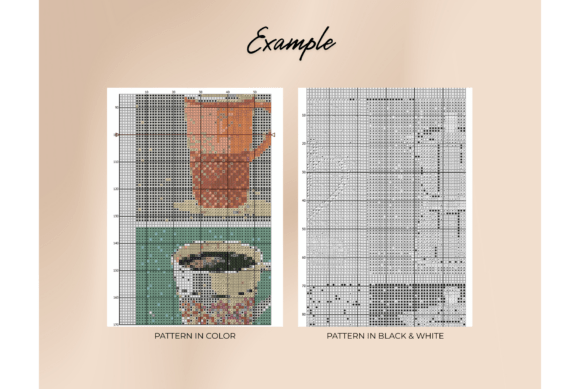
As a professional embroidery designer, I recommend starting with a black and white test to assess how the design translates in monochrome. Check if it works at small patch sizes and review thread color contrast to ensure visibility on different fabrics. Inspect spacing and confirm the hoop size needed for the design to fit comfortably.
Testing on real fabric is crucial to determine how the design interacts with the material’s texture. Using the proper stabilizer can prevent puckering and ensure a clean finish. Creating a printable mockup for client approval helps set expectations and streamline the production process.
Compare the Traditional Japan Garden Cross Stitch with other design assets to ensure visual harmony. Finally, always confirm commercial licensing before using the embroidery file for business purposes. This ensures that you’re compliant and ready to deliver high-quality, branded merchandise to your customers.
Conclusion: A Versatile Design for Small Business Success
The Traditional Japan Garden Cross Stitch is more than just a decorative pattern—it’s a powerful tool for small business owners and embroidery shops looking to create meaningful, visually striking merchandise. Its ability to blend tradition with modern aesthetics makes it a valuable addition to any brand’s design portfolio.
Whether used as an embroidered patch, cap embroidery, or tote bag design, this cross stitch pattern has the potential to enhance brand identity, boost customer trust, and elevate the overall presentation of handmade products. With careful consideration and proper execution, it can become a signature element of your small business merch and custom apparel line.